

The number of machines in Lindlar has increased by around 65%. At the same time, energy use per part is around 60% lower. The plant’s Process Carbon Footprint is 70% below the reference value for the other production sites in the Max Baermann Group. This provides more flexibility as volumes grow and reduces CO₂ emissions from magnet production.
Autor: C. Wiehe, Head of Supply Chain & Quality Management | 19. November 2026

Why the Lindlar Site was expanded
Growing volumes require a reliable supply of magnets. At the same time, the carbon footprint of the parts is becoming increasingly important. The expansion in Lindlar therefore adds production resources and improves the energy supply for manufacturing.
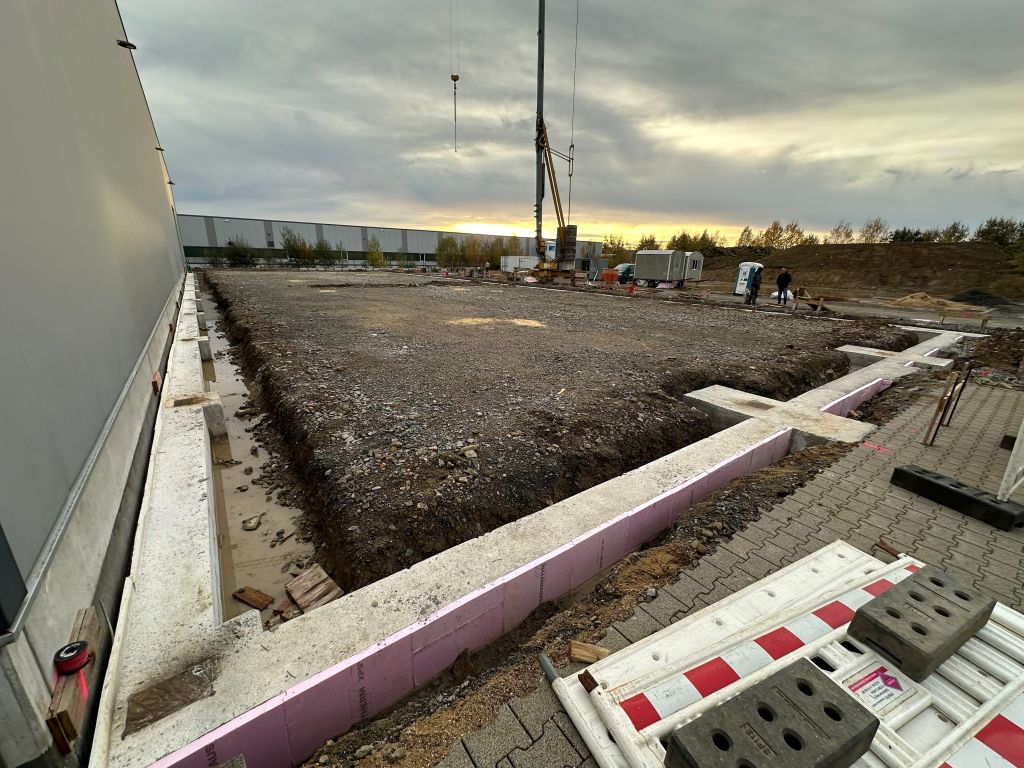
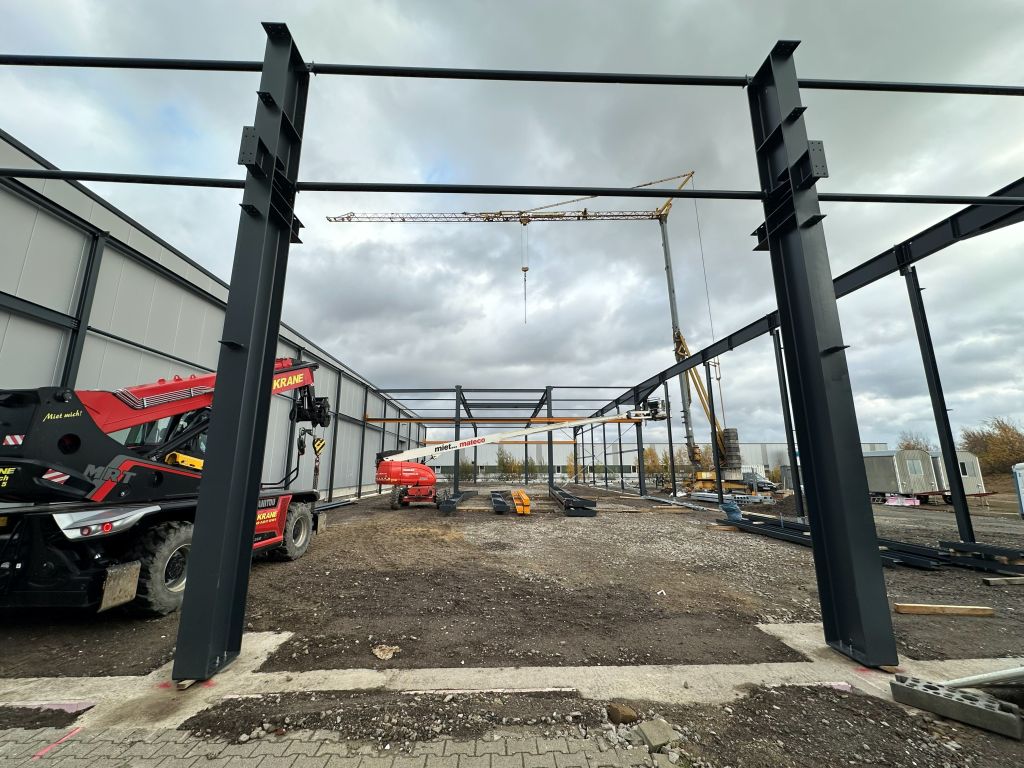
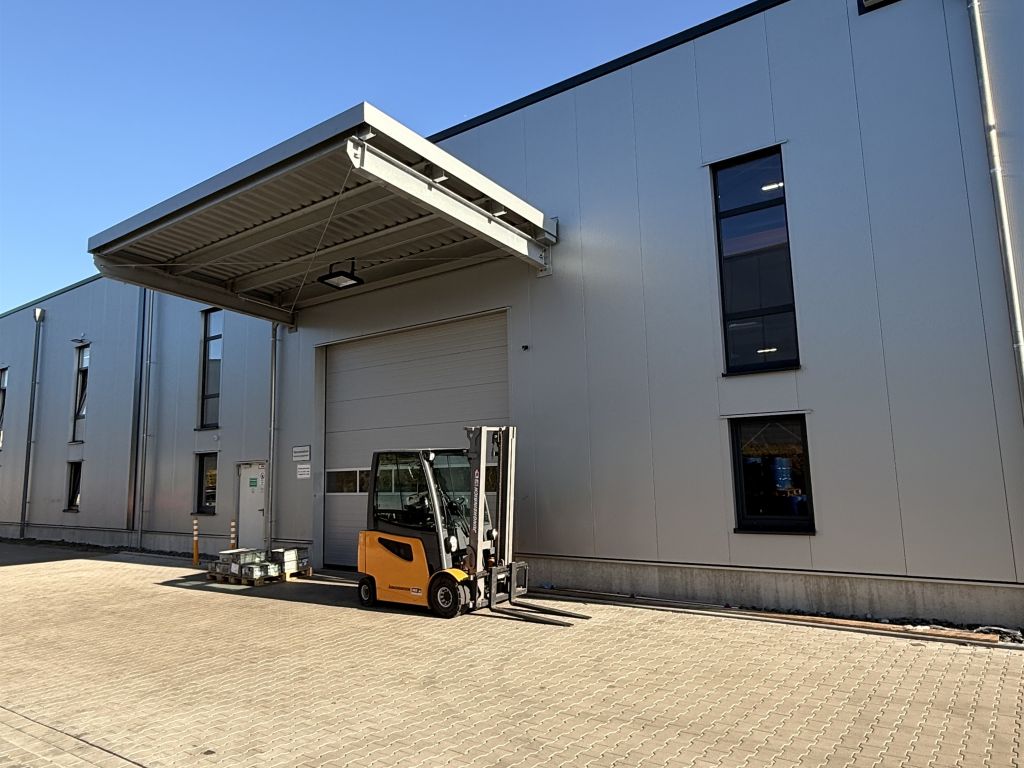
Construction began in November 2025. The extension was completed in August 2026, after around ten months of construction.
1. Capacity for Growing Customer Projects
BAERMANN Magnettechnik GmbH is part of the Max Baermann Group. The company has been making plastic-bonded permanent magnets and sensor magnets at the Lindlar-Klause industrial park since late 2017. Running three shifts, the site produces several million parts a year, mainly for the automotive industry.
The number of machines has increased by around 65%. The expansion makes it easier to plan for higher call-off volumes and new series production projects. The additional output depends on the parts, cycle times, and machine utilization.
2. Heating with Waste Heat and Cooling with Ice
Avoiding waste is part of everyday manufacturing. The same applies to energy use. Kaizen and Muda are part of the management system and guide the planning of equipment and buildings. Energy that is not needed causes no emissions. That is why efficiency comes first.
In Lindlar, waste heat from the machines heats the production hall and offices through a low-temperature underfloor heating system. A heat pump, solar thermal collectors, and an underground ice storage tank holding 212 m³ of water work together to supply the system.
The ice storage system provides energy for heating and can also cool the production equipment. As the water freezes, it releases heat that the heat pump makes available for heating. The ice can then be used for cooling. In the process, the storage tank absorbs heat again. The solar collectors supply additional heat to the tank.
The building heating system operates without oil or gas. The site runs on electricity. Speed-controlled machine drives, efficient circulation pumps, and LED lighting also help reduce energy use.
3. Less Energy and CO₂ in Production
Energy use per part in Lindlar is around 60% lower. The plant’s Process Carbon Footprint is 70% below the reference value for the other production sites in the Max Baermann Group. This metric describes manufacturing greenhouse gas emissions relative to the quantity of magnets produced.
For comparison, the Group’s Process Carbon Footprint in 2025 was 1.216 kg CO₂e per kg of magnets produced. CO₂e stands for CO₂ equivalents and combines the climate impact of the greenhouse gases included in the calculation.
Lower manufacturing emissions also contribute to the magnets’ Product Carbon Footprint. This includes the materials used, among other factors. The reduction in the total carbon footprint therefore depends on the individual part.
Electricity sourcing also plays a role. The share of renewable energy in the Group’s purchased electricity is already above the German average. The further shift to renewable energy builds on the efficiency measures.
Your benefits: a Partner for sustainable magnet production
The additional machines in Lindlar offer more flexibility as call-off volumes grow and new series production projects are planned. More efficient manufacturing also contributes to a lower carbon footprint for the magnets. This supports customers’ Scope 3 targets, which include reducing emissions associated with purchased parts.