

Permanent magnets
Magnetic components
for industrial applications
Our permanent magnets at a glance
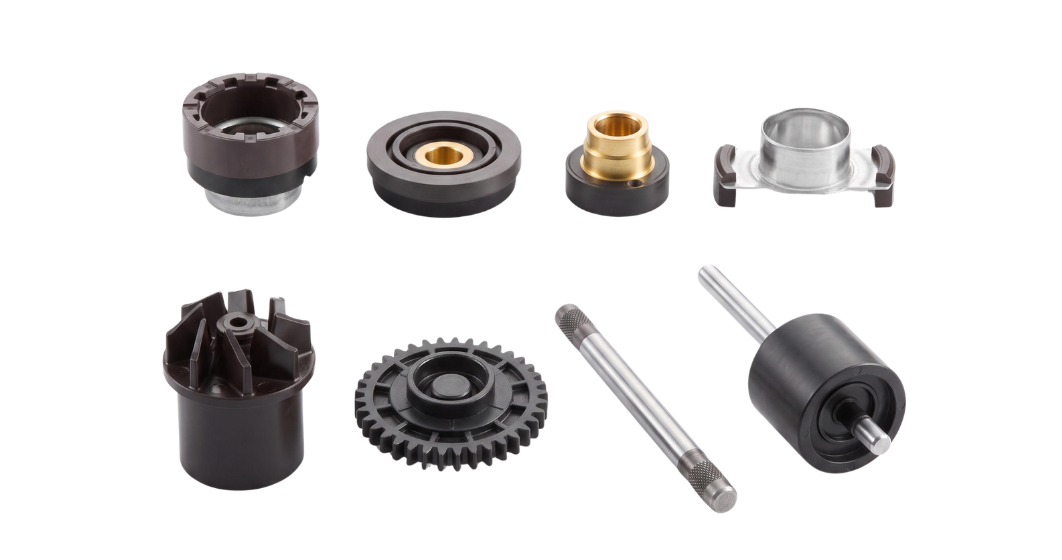
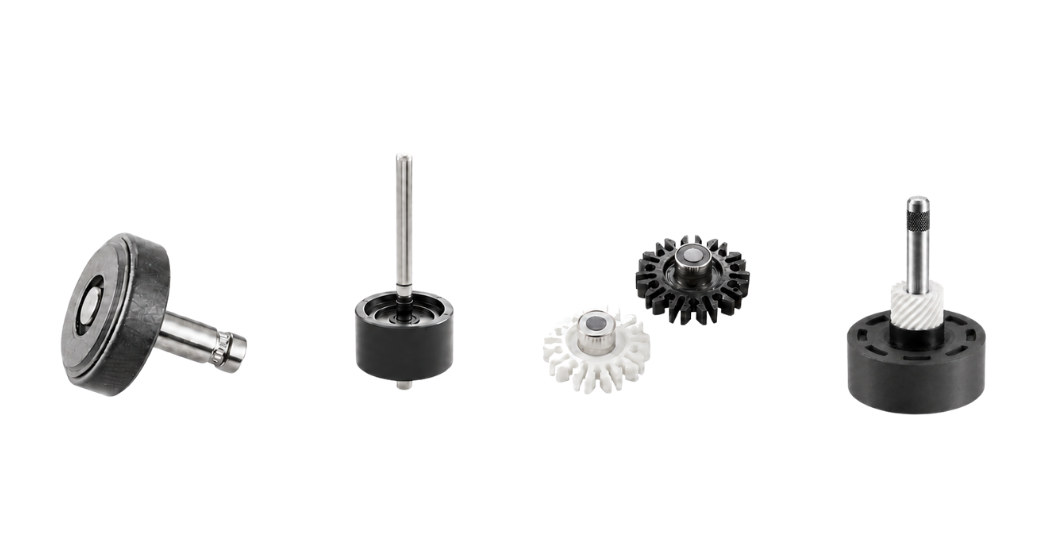
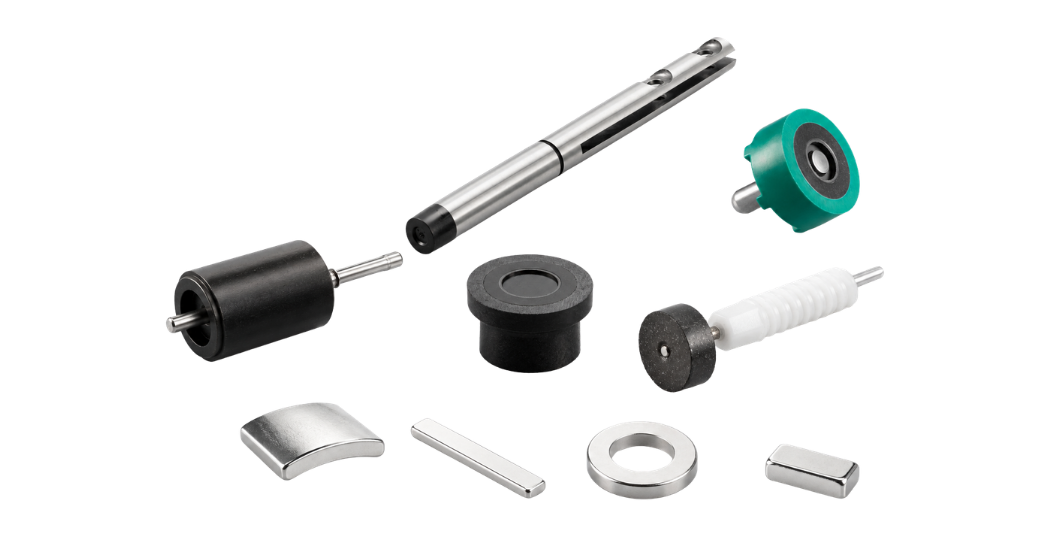


Why choose permanent magnets from Max Baermann?
Max Baermann develops and manufactures permanent magnets that deliver more than magnetic force alone. As custom-engineered components, they are specifically designed in terms of material, geometry and magnetization – matched to the product function, the field of application and the requirements of efficient series production.
Functional strengths of our permanent magnets:
- precise magnetization matched to the product function
- strong magnetic force even in limited space
- the right material for your technical requirements and your budget
- stable material properties across the defined operating range
Advantages of our products for series production:
- feasible even for complex geometries
- designed for industrial manufacturing and repeatability
- suitable for use as assembly components in rotors and sensors
- sustainable materials and resilient supply chains

Certified and proven
- ISO 14001
- IATF 16949
- ISO 9001
Our permanent magnets as functional components in your industry
At Max Baermann we create custom permanent magnets that perform exactly where they are later integrated as a component. Our products are developed and manufactured with the greatest care for maximum performance, high precision and uncompromising reliability in the intended installation situation.
In doing so, we draw on in-depth application knowledge gathered across a wide range of industries for more than 100 years. We know that every industry has its own specific requirements on magnets, their materials and their properties.
In which industries does Max Baermann have experience as a developer and manufacturer of permanent magnets?
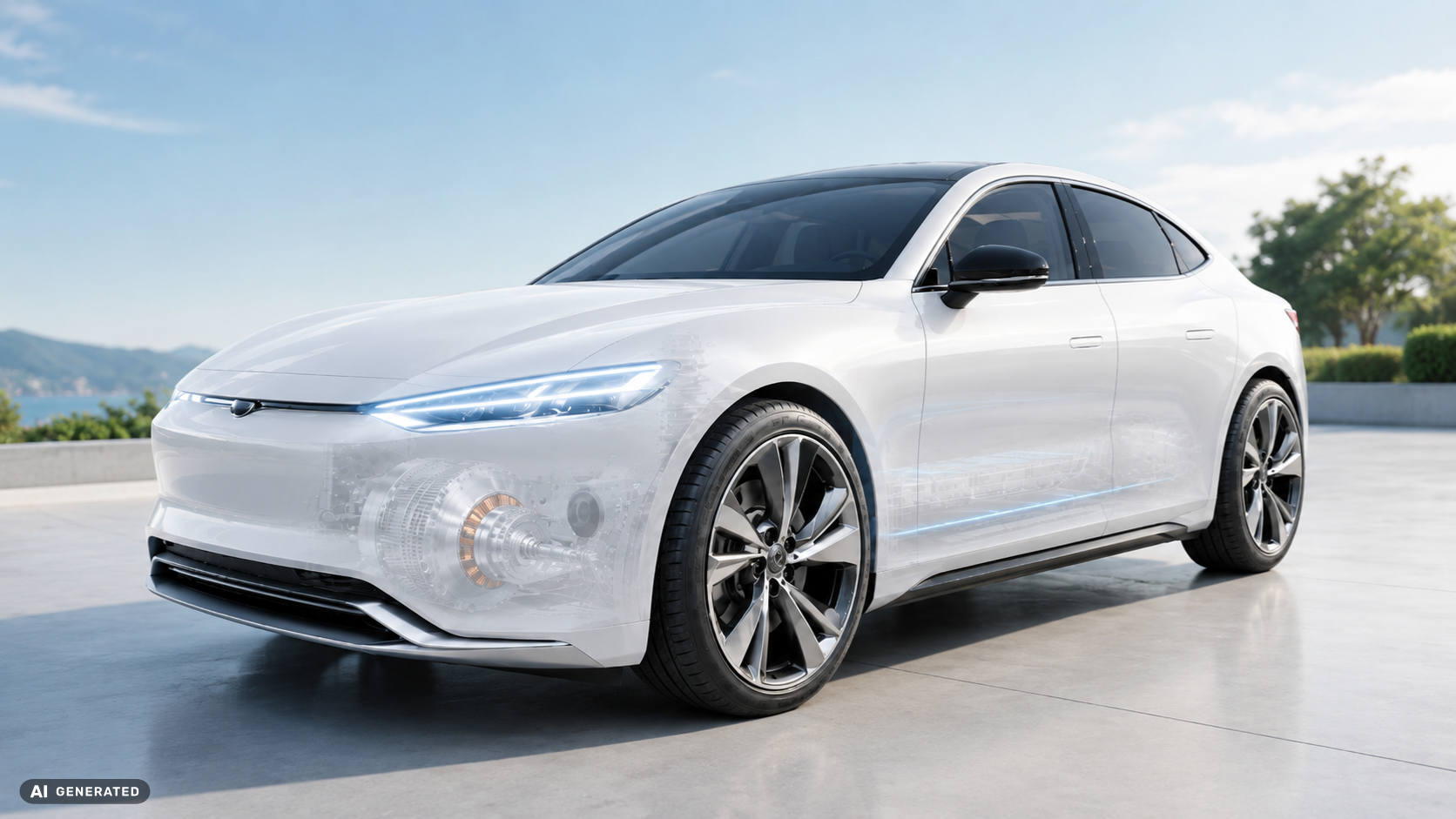
Automotive
Industry and robotics
Household appliances and consumer goods

Electric mobility

Construction industry
Mechanical engineering
Further products for your magnet systems
In addition to permanent magnets, Max Baermann develops and manufactures further product groups for industrial applications with demanding requirements in terms of material, function and component design. Engineered compounds and plastic components can be used on their own or combined with magnetic components – for example when complete magnet systems and assemblies are to be created.
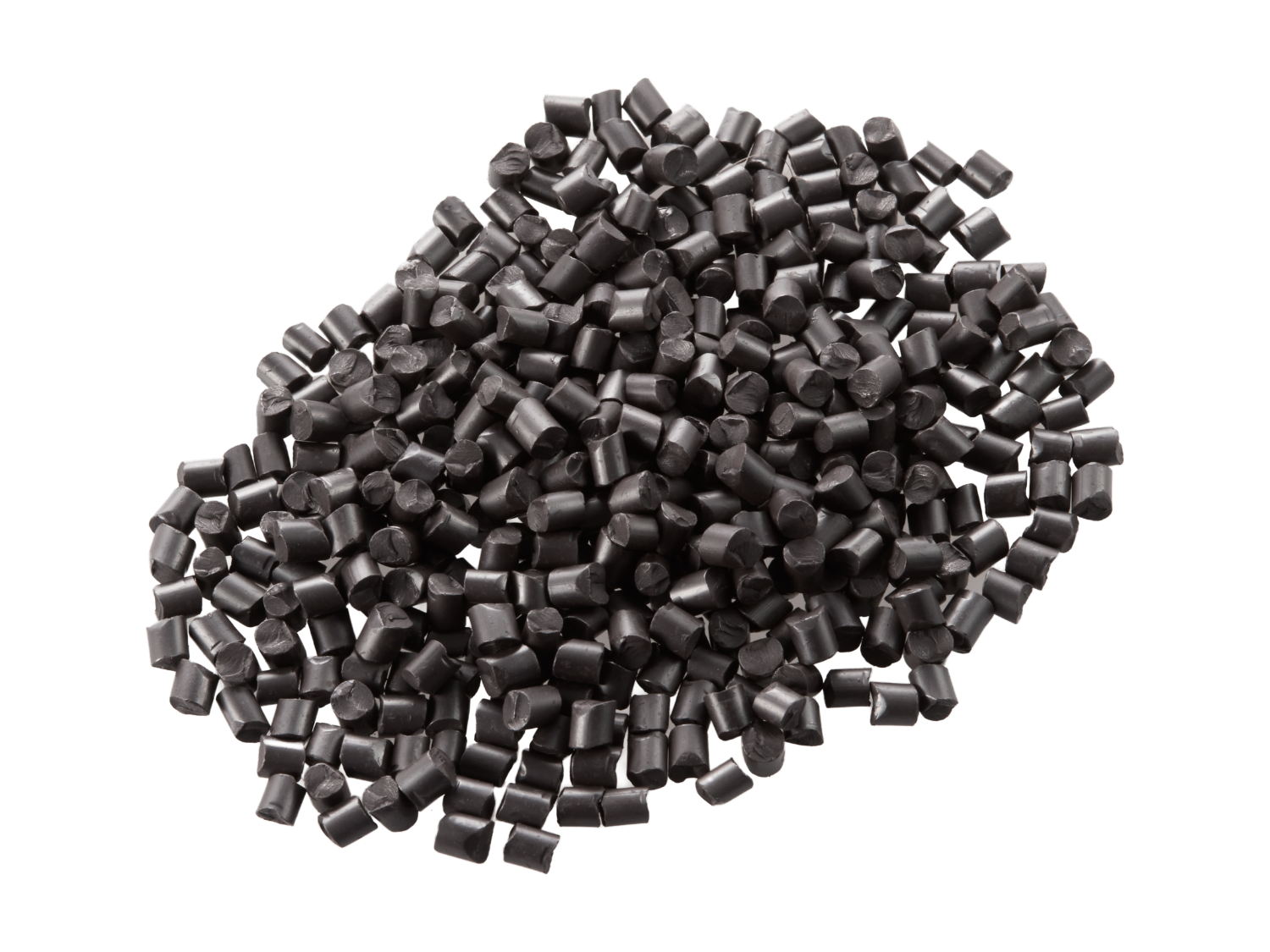
Engineered compounds
Our tailor-made engineered compounds for injection molding, extrusion and filament production open up entirely new design possibilities – for optimizing metal replacement, thermal management, innovative sensor technology or motor components.
Plastic components
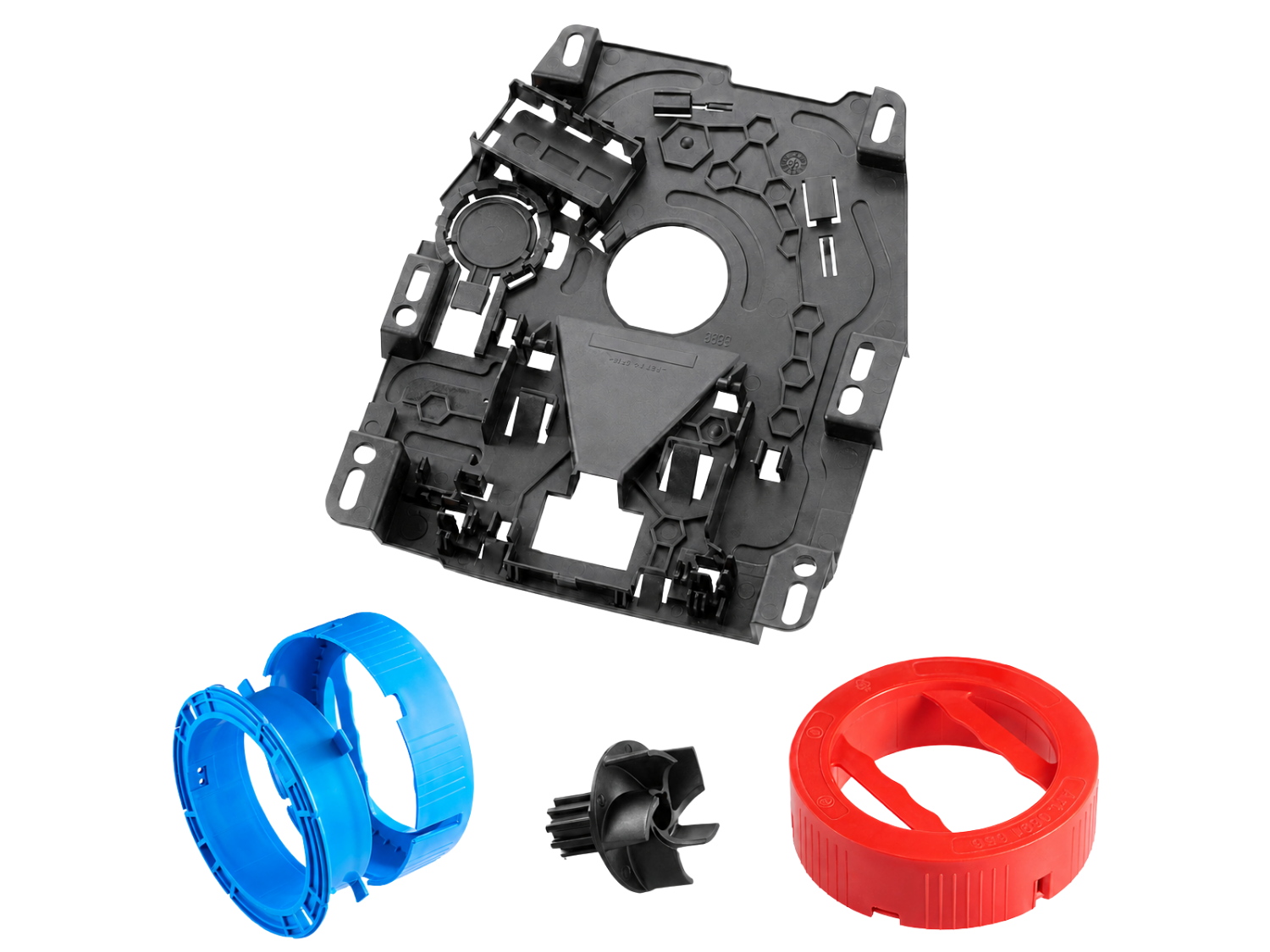
We have many years of experience in manufacturing technical plastic components and deliver convincing results even on projects with complex geometries and material combinations. We will gladly manufacture precise, application-specific plastic components to your specifications.
Frequently asked questions about us and our magnetic solutions
Yes. Max Baermann supports you with the magnetic design and the selection of a suitable material. When identifying the right material, we jointly balance properties such as magnetic force, maximum operating temperature and corrosion resistance against the specific requirements of your application, your budget framework and your supply chain expectations.
The right type of magnet depends on the intended technical application and the resulting requirements for the magnet’s properties. At the same time, factors such as your supply chain planning and cost structures can also influence the choice. For example, neodymium magnets are particularly suitable for applications that call for high energy density in a limited installation space. Let our specialists support you in selecting the material and developing a customized magnetic solution.
Plastic-bonded components are primarily suited to magnets made from
- ferrite (SrFe)
- neodymium (NdFeB)
- samarium cobalt (SmCo)
- SmFeN
The magnet types that can primarily be produced as sintered magnets are
- ferrite magnets,
- neodymium magnets and
- samarium cobalt magnets.
Which variant is suitable depends on the application, the installation space, the operating temperature, corrosion requirements and the required magnetic performance. We will be glad to advise you and develop a suitable magnetic solution together with you.
Depending on the requirements, different materials can be considered for automotive, sensor and motor applications – for example ferrite, NdFeB, SmCo or SmFeN. Max Baermann helps you select the right material for your specific application and develop a magnetic solution from it that reliably matches the intended product function.