

Ferrite magnets
sustainable and best value for the money
Custom ferrite magnets from Max Baermann
Max Baermann develops and manufactures high-performance ferrite magnets for technical applications that call for reliable magnetic function, sustainable materials and cost-efficient production. Our custom magnets made from ceramic ferrites offer the best value for the money among technical magnets. They contain no rare earths and make use of secondary raw material streams from the steel industry, while still offering high robustness. Whether as a sensor or rotor component, in the automotive sector or in general industry:
Let’s start developing and production of your suitable ferrite magnet – – sintered or plastic-bonded – for your application.
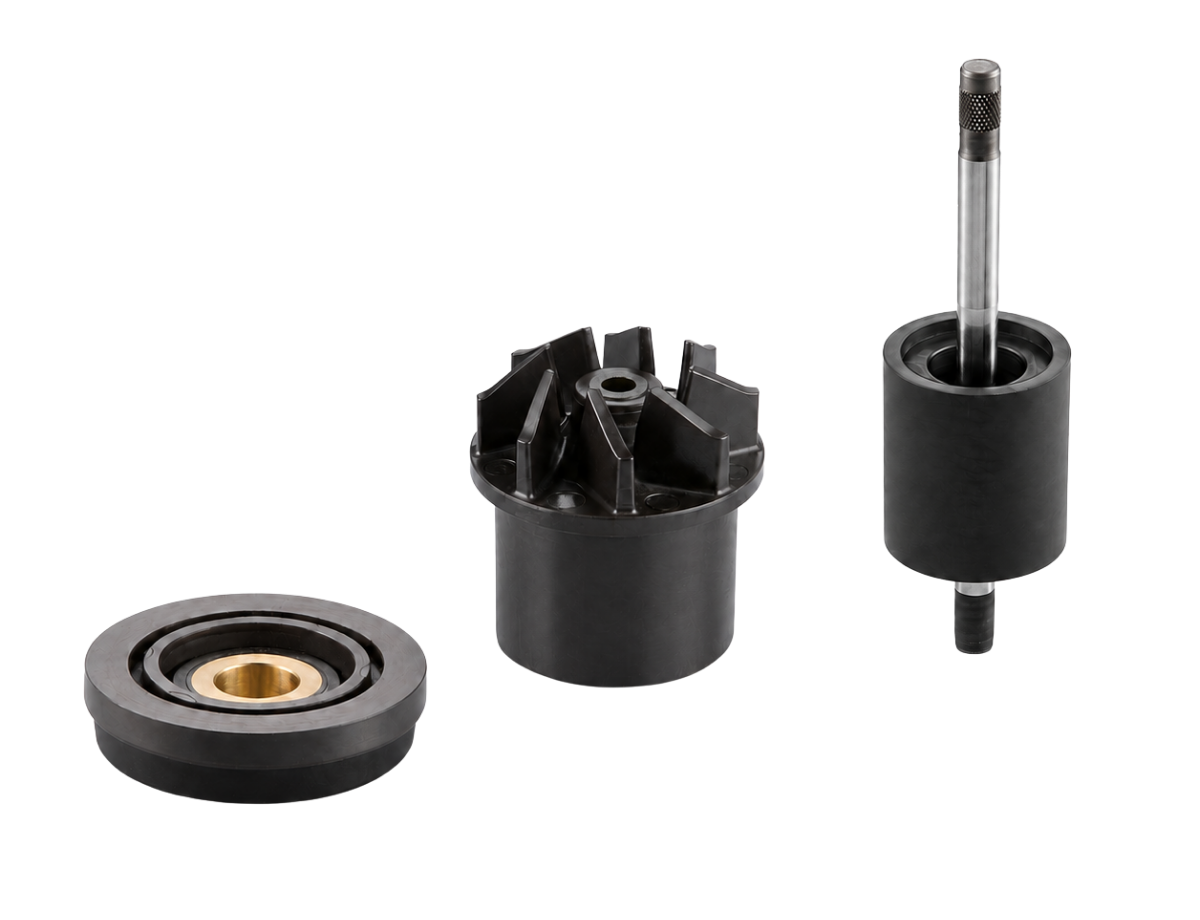
Technical properties
Ferrite magnets are usually based on strontium ferrite, a ceramic magnetic material that can be obtained from calcined iron oxide, which are by-products of the steel industry. They therefore combine a cost-efficient and more sustainable material base with a robust property profile for industrial applications.
Technically, ferrite magnets stand above all for high resistance to corrosion and chemicals – even without an additional coating. At the same time they withstand high temperatures: up to 250 °C in the sintered version and, for plastic-bonded magnets, 200 °C (polyphenylene sulfide) or 120 °C (polyamide) depending on the polymer binder. This makes hard ferrite magnets an attractive option even in technically demanding application scenarios. The only limitation: the available installation space should allow some flexibility, because ferrite magnets have a lower energy density than neodymium magnets and therefore have to be designed larger.
| Property | Sintered ferrite magnets | Plastic-bonded ferrite magnets |
|---|---|---|
| Field strength | 0.2 – 0.4 tesla | 0.2 – 0.35 tesla |
| Max. operating temperature | up to +250 °C | depending on the plastic binder |
| Carbon footprint | approx. 5.1 kg CO₂/kg magnet*
approx. 9.0 kg CO₂/kg magnet (China) |
approx. 3.6 kg CO₂/kg magnet |
| Environmental impact | 1/10 compared to neodymium magnets | Up to 70% better environmental performance than sintered magnets. In addition, hazardous substances can potentially be avoided during assembly. |
Technical properties
Ferrite magnets are usually based on strontium ferrite, a ceramic magnetic material that can be obtained from calcined iron oxide, which are by-products of the steel industry. They therefore combine a cost-efficient and more sustainable material base with a robust property profile for industrial applications.
Technically, ferrite magnets stand above all for high resistance to corrosion and chemicals – even without an additional coating. At the same time they withstand high temperatures: up to 250 °C in the sintered version and, for plastic-bonded magnets, 200 °C (polyphenylene sulfide) or 120 °C (polyamide) depending on the polymer binder. This makes hard ferrite magnets an attractive option even in technically demanding application scenarios. The only limitation: the available installation space should allow some flexibility, because ferrite magnets have a lower energy density than neodymium magnets and therefore have to be designed larger.
| Characteristic | Value |
|---|---|
| Field strength | 0.2 – 0.4 tesla |
| Maximum operating temperature | up to +250 °C |
| Carbon footprint | approx. 5.1 kg CO₂/kg magnet (Europe) approx. 9.0 kg CO₂/kg magnet (China) |
| Environmental impact | 1/10 compared to neodymium magnets |
Plastic-Bonded Magnets
| Characteristic | Value |
|---|---|
| Field strength | 0.2 – 0.35 tesla |
| Maximum operating temperature | depending on the plastic binder |
| Carbon footprint | approx. 3.6 kg CO₂/kg magnet |
| Environmental impact | Up to 70% better environmental performance than sintered magnets. In addition, hazardous substances can potentially be avoided during assembly. |
Variants and fields of application
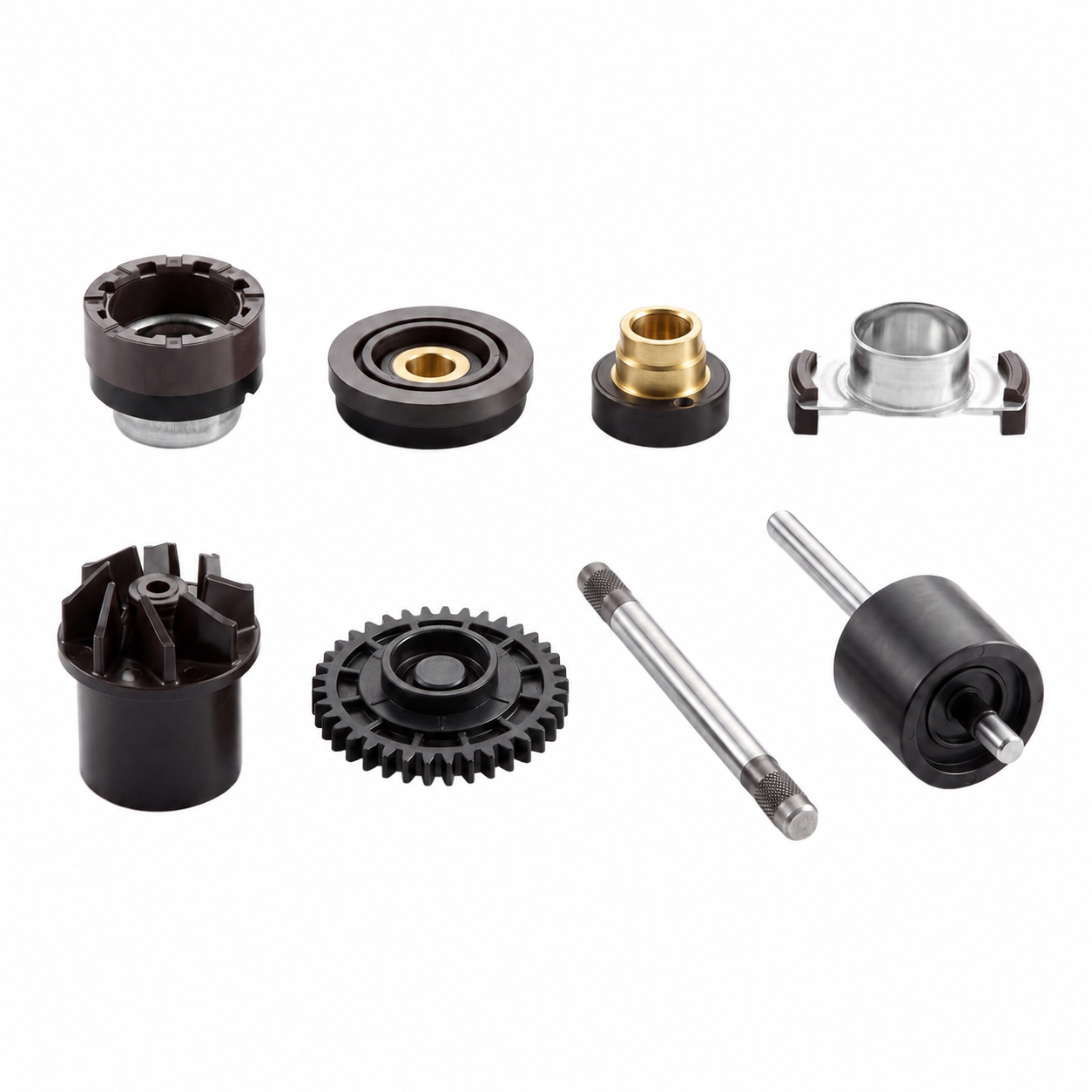
We develop both plastic-bonded and sintered ferrite magnets and design them to suit their later function – for example as a magnetic component in rotors or sensors. Discover typical applications for our custom ferrite magnets:
Plastic-bonded ferrite magnets
Max Baermann develops plastic-bonded ferrite magnets for applications in which magnetic function, component design and series production are closely interlinked. Combining ferrite magnet powder with a carefully selected polymer binder creates ferrite magnet solutions that can be formed into complex geometries by injection molding.
Different binder materials are used depending on the requirement profile. For highly filled magnetic materials we use engineering polyamides such as PA6, PA11 and PA12, which are suitable for robust series applications with operating temperatures up to approx. 120 °C. They offer a good combination of processability, mechanical stability, dimensional accuracy and cost-efficient series production. A further advantage is that they are comparatively easy to magnetize: plastic-bonded ferrite magnets can often be magnetized directly in the mold. This reduces additional process steps and enables simplified, economical manufacturing processes.
For particularly demanding operating conditions, PPS is available as a high-performance binder. PPS-bonded magnets are especially suitable for applications with elevated thermal loads up to approx. 200 °C and for environments with increased requirements for chemical resistance. For selected strontium ferrite compounds, Max Baermann also holds drinking water approval. This makes it possible to produce ferrite magnet solutions for applications in contact with cold and hot water.
A key advantage of plastic-bonded ferrite magnets is the high degree of design freedom, both mechanically and magnetically. Complex geometries, integrated mounting or guiding features and application-specific magnetization patterns can be combined as required. The inherent magnetic anisotropy allows different field shapes and magnetic field curves precisely matched to the application. This makes it possible to develop components that reduce assembly effort, replace additional parts or combine several functions in a single magnetic component. The result for customers is both technical and commercial benefits – from lower process costs to more compact and more efficient product solutions.
Binder, ferrite content, geometry and magnetization are matched so that the magnet reliably suits the intended product function, the installation situation and series production. The result is function-integrated magnetic components that combine magnetic performance, design freedom and process-reliable manufacturing in a single part.
Sintered ferrite magnets
Max Baermann can also develop ferrite magnets in a sintered version where high temperature resistance, chemical resilience, corrosion resistance and reliable long-term stability are particularly important. Thanks to their ceramic material structure, sintered ferrite magnets are especially resistant to ageing and require no additional coating in many applications.
Sintered ferrite magnets have a robust property profile and are suitable for applications in which the magnetic function must be maintained over the long term, even under demanding ambient conditions. They are resistant to moisture, oxidation and numerous chemical influences. Depending on the material design, they can also be used at elevated operating temperatures of up to 250 °C.
Because no polymer binder is used, the geometric design freedom is lower than with plastic-bonded ferrite magnets. For technically suitable component geometries, however, dimensions and magnetization can still be specifically matched to the respective function and installation situation. Sintered versions therefore complement the portfolio above all for applications in which durability and long-term functional reliability are the priority.
Because no polymer binder is used, the geometric design freedom is lower than with plastic-bonded ferrite magnets. For technically suitable component geometries, however, dimensions and magnetization can still be specifically matched to the respective function and installation situation. Sintered versions therefore complement the portfolio above all for applications in which durability and long-term functional reliability are the priority.
Sintered ferrite magnets are used in electric motors, pumps, loudspeakers, holding systems and other industrial applications, among others. They are particularly suitable for standardized component geometries and operating conditions in which robustness, temperature resistance and a permanently stable magnetic function matter more than highly complex shapes or the integration of additional component functions.
Plastic-bonded ferrite magnets
Max Baermann develops plastic-bonded ferrite magnets for applications in which magnetic function, component design and series production are closely interlinked. Combining ferrite magnet powder with a carefully selected polymer binder creates ferrite magnet solutions that can be formed into complex geometries by injection molding.
Different binder materials are used depending on the requirement profile. For highly filled magnetic materials we use engineering polyamides such as PA6, PA11 and PA12, which are suitable for robust series applications with operating temperatures up to approx. 120 °C. They offer a good combination of processability, mechanical stability, dimensional accuracy and cost-efficient series production. A further advantage is that they are comparatively easy to magnetize: plastic-bonded ferrite magnets can often be magnetized directly in the mold. This reduces additional process steps and enables simplified, economical manufacturing processes.
Different binder materials are used depending on the requirement profile. For highly filled magnetic materials we use engineering polyamides such as PA6, PA11 and PA12, which are suitable for robust series applications with operating temperatures up to approx. 120 °C. They offer a good combination of processability, mechanical stability, dimensional accuracy and cost-efficient series production. A further advantage is that they are comparatively easy to magnetize: plastic-bonded ferrite magnets can often be magnetized directly in the mold. This reduces additional process steps and enables simplified, economical manufacturing processes.
A key advantage of plastic-bonded ferrite magnets is the high degree of design freedom, both mechanically and magnetically. Complex geometries, integrated mounting or guiding features and application-specific magnetization patterns can be combined as required. The inherent magnetic anisotropy allows different field shapes and magnetic field curves precisely matched to the application. This makes it possible to develop components that reduce assembly effort, replace additional parts or combine several functions in a single magnetic component. The result for customers is both technical and commercial benefits – from lower process costs to more compact and more efficient product solutions.
Binder, ferrite content, geometry and magnetization are matched so that the magnet reliably suits the intended product function, the installation situation and series production. The result is function-integrated magnetic components that combine magnetic performance, design freedom and process-reliable manufacturing in a single part.
Sintered ferrite magnets
Max Baermann can also develop ferrite magnets in a sintered version where high temperature resistance, chemical resilience, corrosion resistance and reliable long-term stability are particularly important. Thanks to their ceramic material structure, sintered ferrite magnets are especially resistant to ageing and require no additional coating in many applications.
Sintered ferrite magnets have a robust property profile and are suitable for applications in which the magnetic function must be maintained over the long term, even under demanding ambient conditions. They are resistant to moisture, oxidation and numerous chemical influences. Depending on the material design, they can also be used at elevated operating temperatures of up to 250 °C.
Because no polymer binder is used, the geometric design freedom is lower than with plastic-bonded ferrite magnets. For technically suitable component geometries, however, dimensions and magnetization can still be specifically matched to the respective function and installation situation. Sintered versions therefore complement the portfolio above all for applications in which durability and long-term functional reliability are the priority.
Because no polymer binder is used, the geometric design freedom is lower than with plastic-bonded ferrite magnets. For technically suitable component geometries, however, dimensions and magnetization can still be specifically matched to the respective function and installation situation. Sintered versions therefore complement the portfolio above all for applications in which durability and long-term functional reliability are the priority.
Sintered ferrite magnets are used in electric motors, pumps, loudspeakers, holding systems and other industrial applications, among others. They are particularly suitable for standardized component geometries and operating conditions in which robustness, temperature resistance and a permanently stable magnetic function matter more than highly complex shapes or the integration of additional component functions.

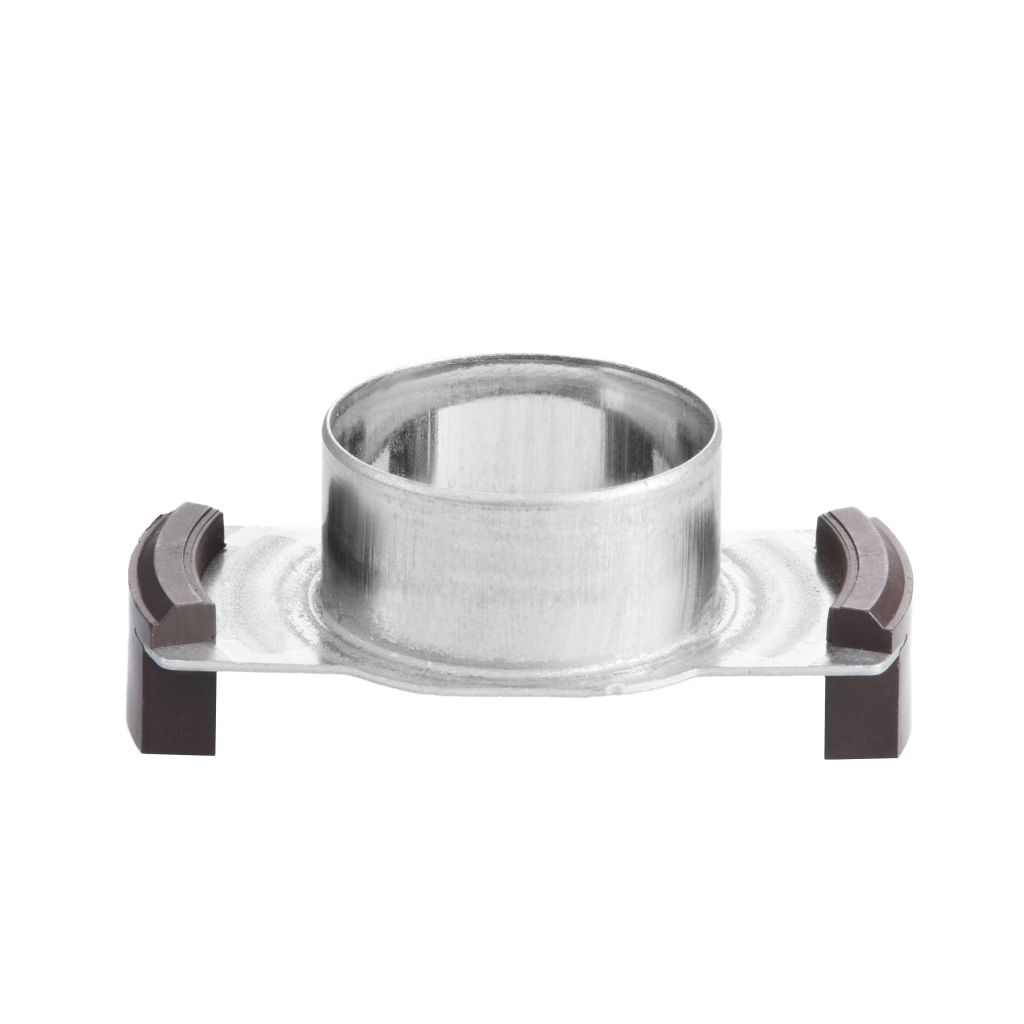
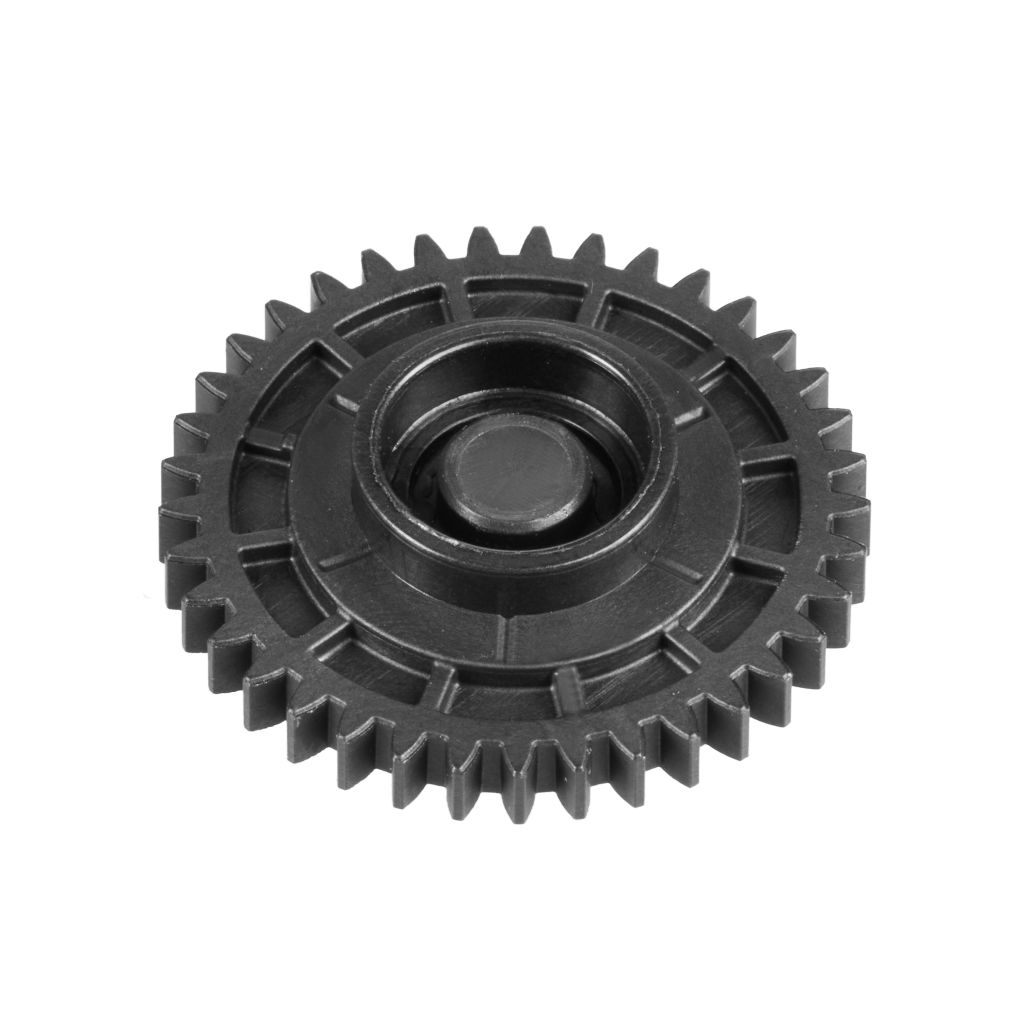
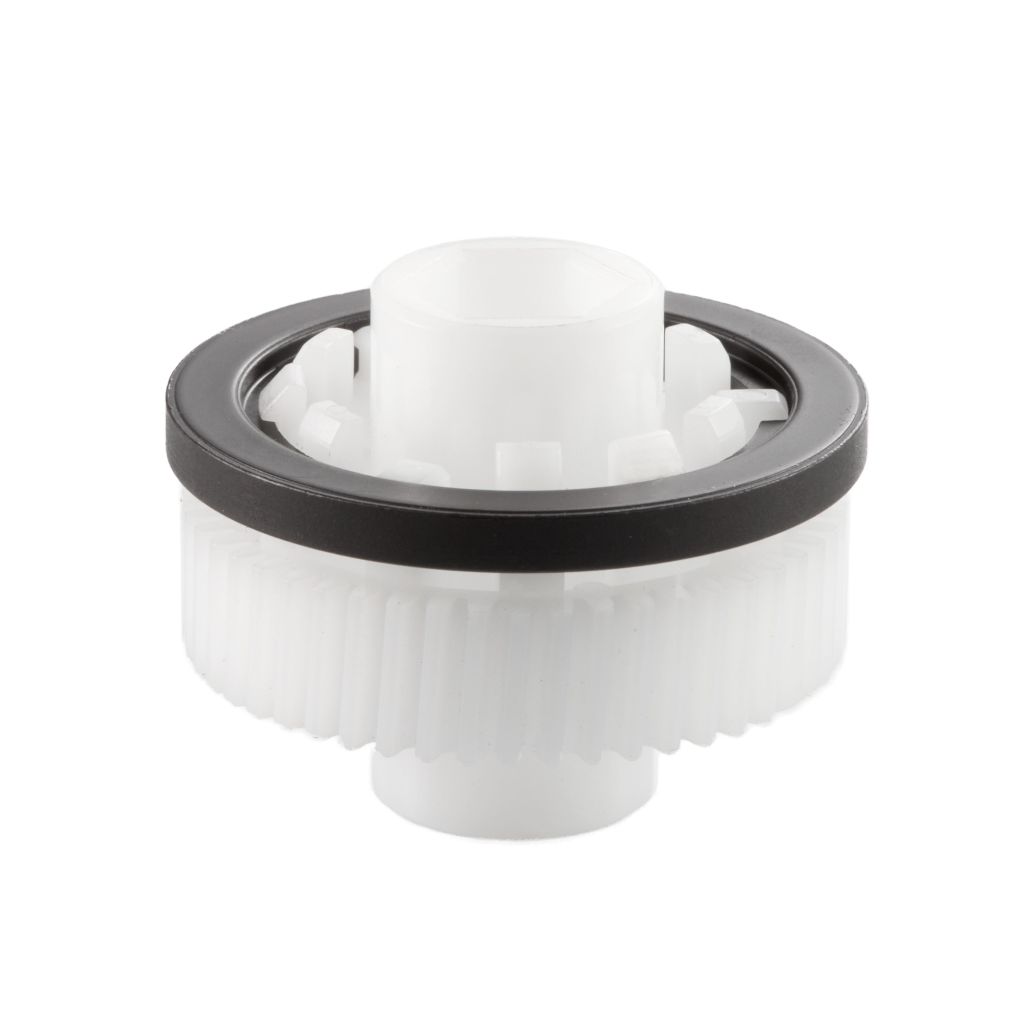
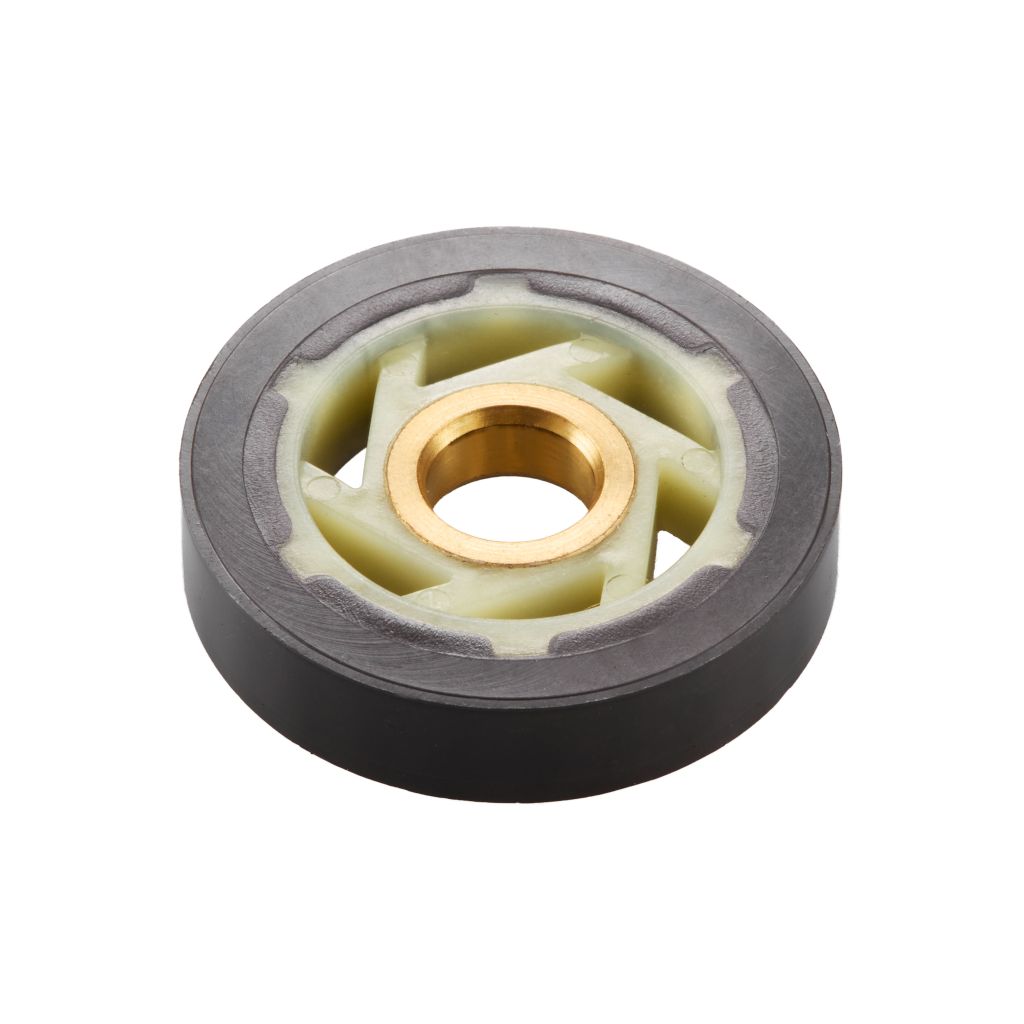
Use as a magnetic component in rotors
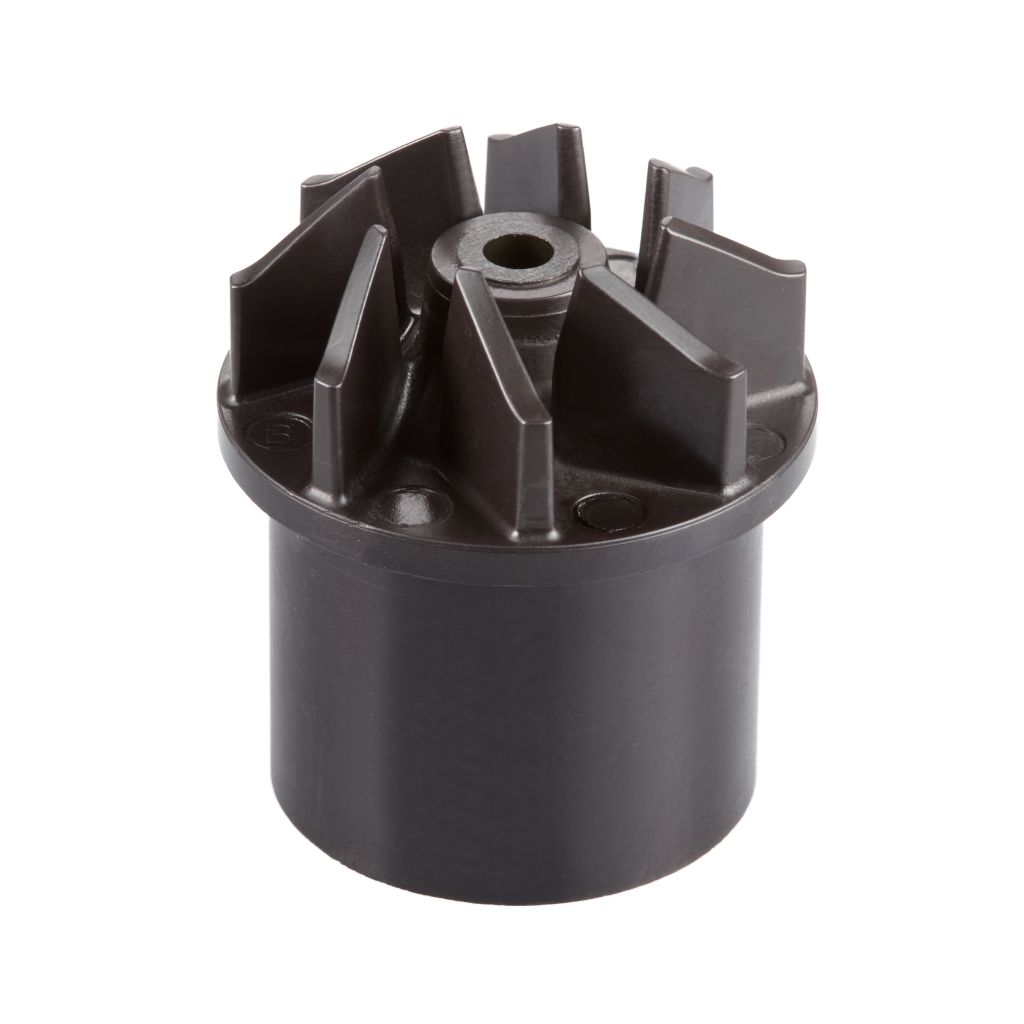
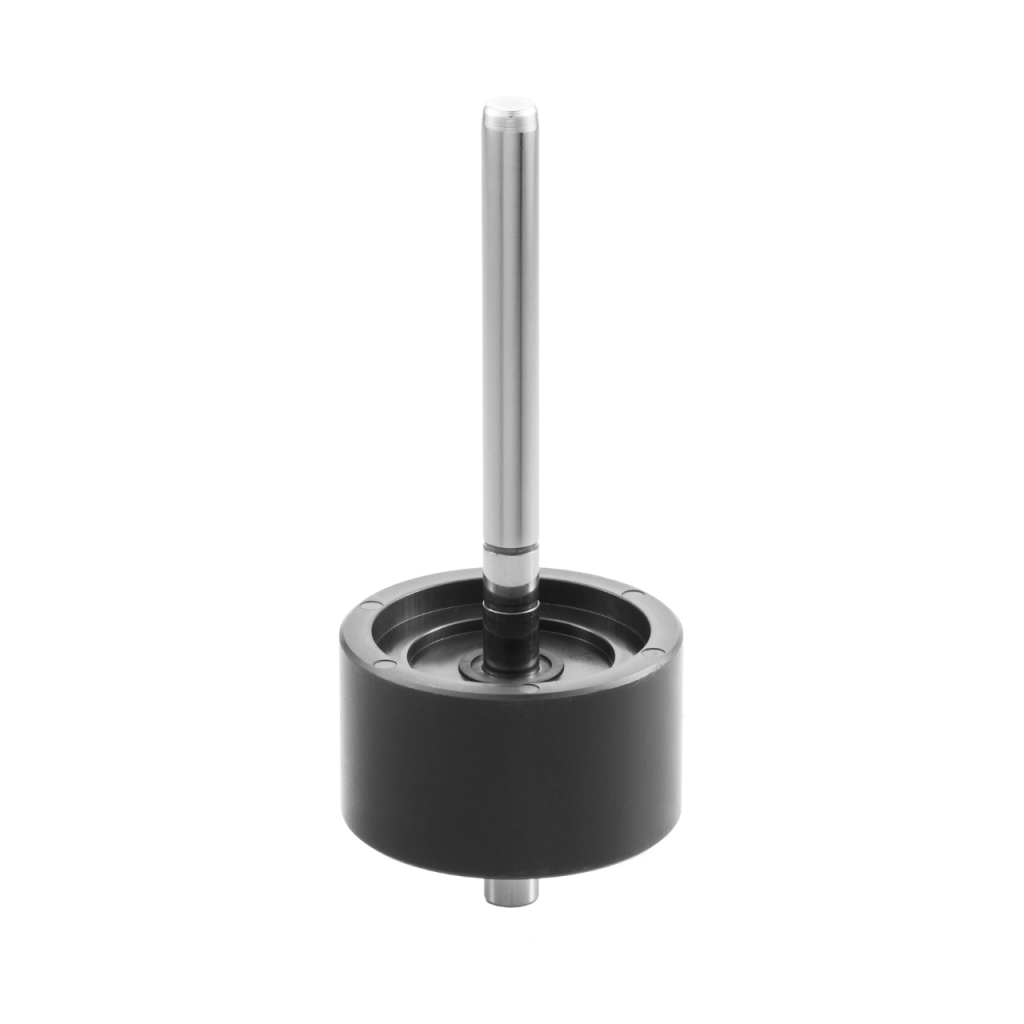
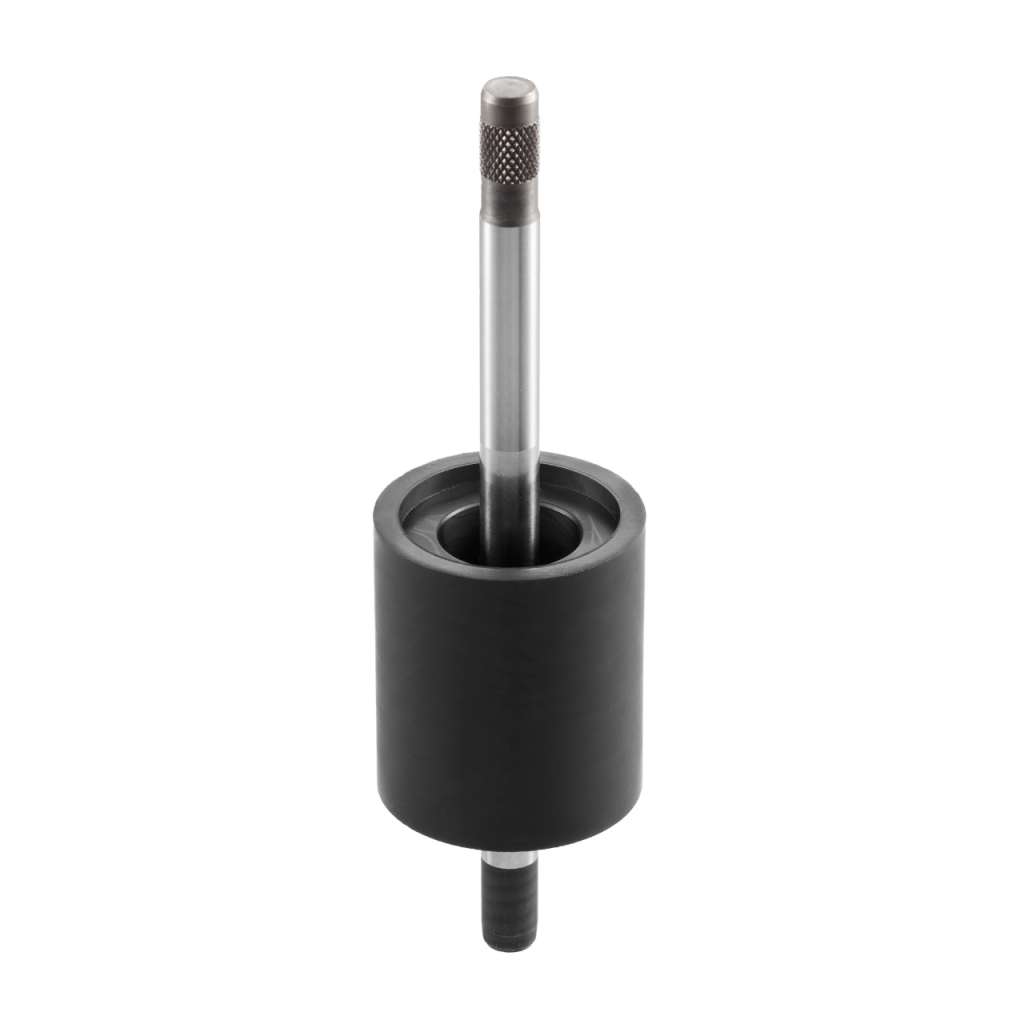
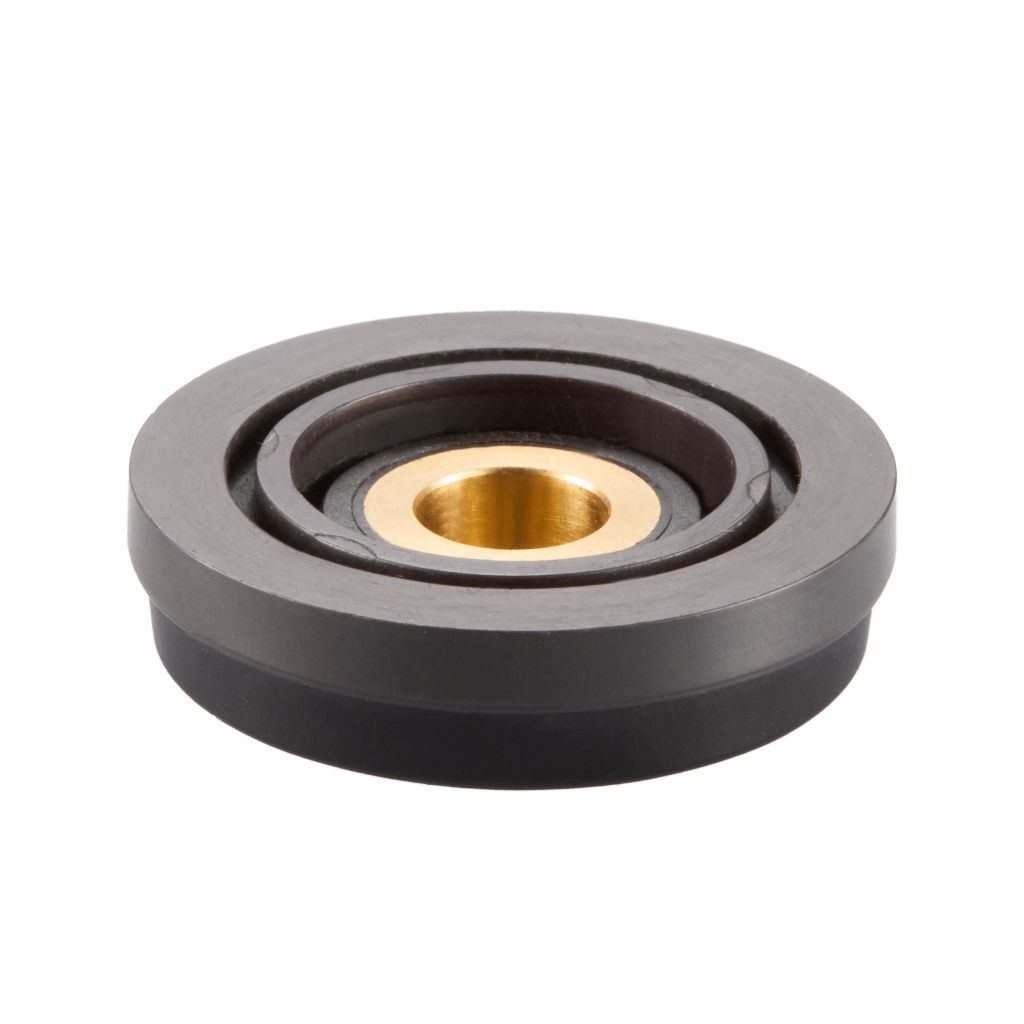
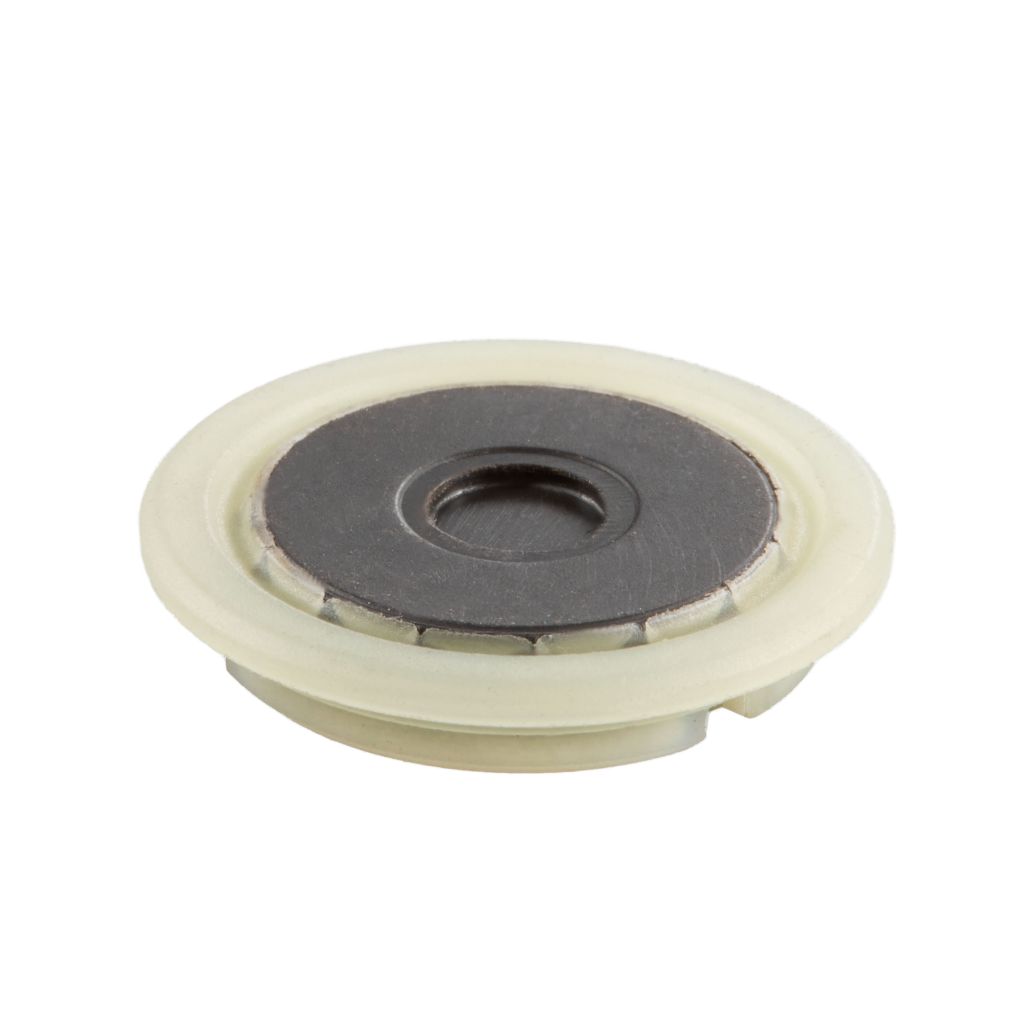
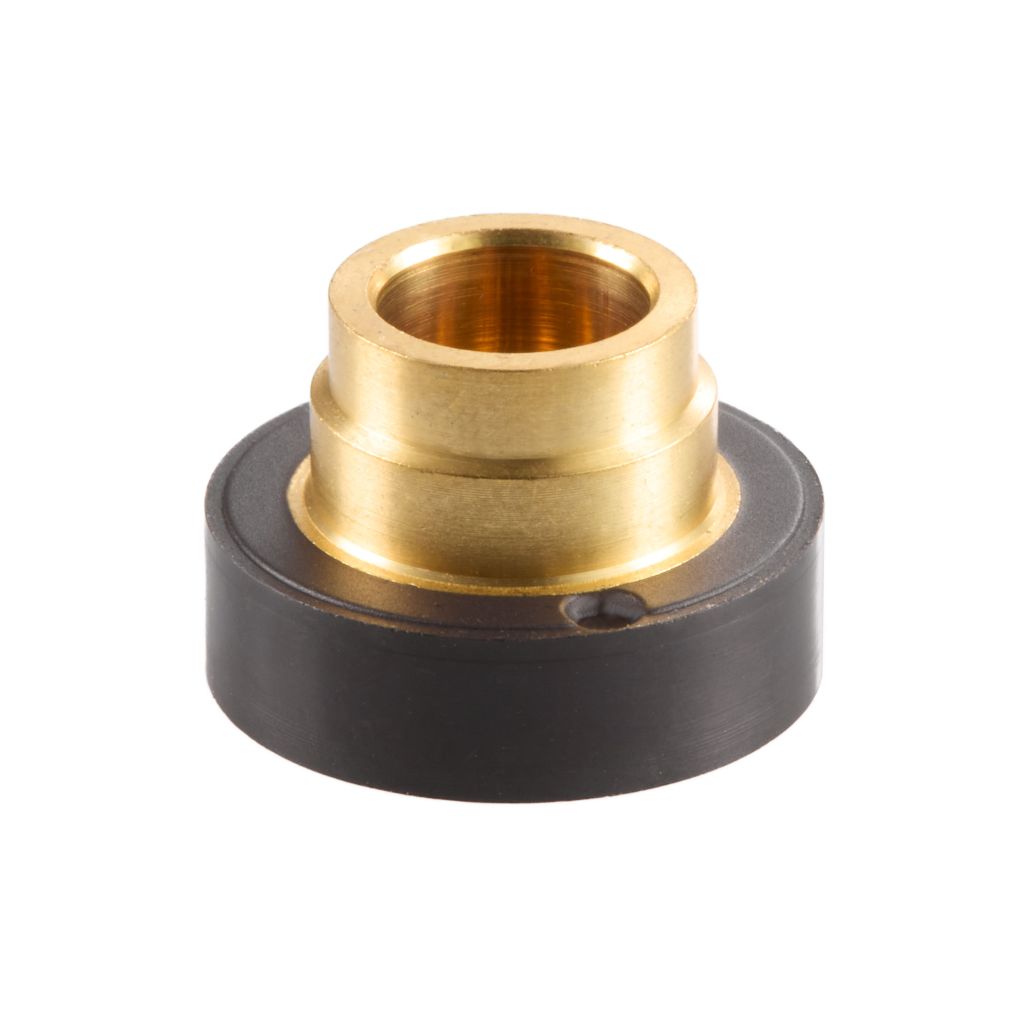
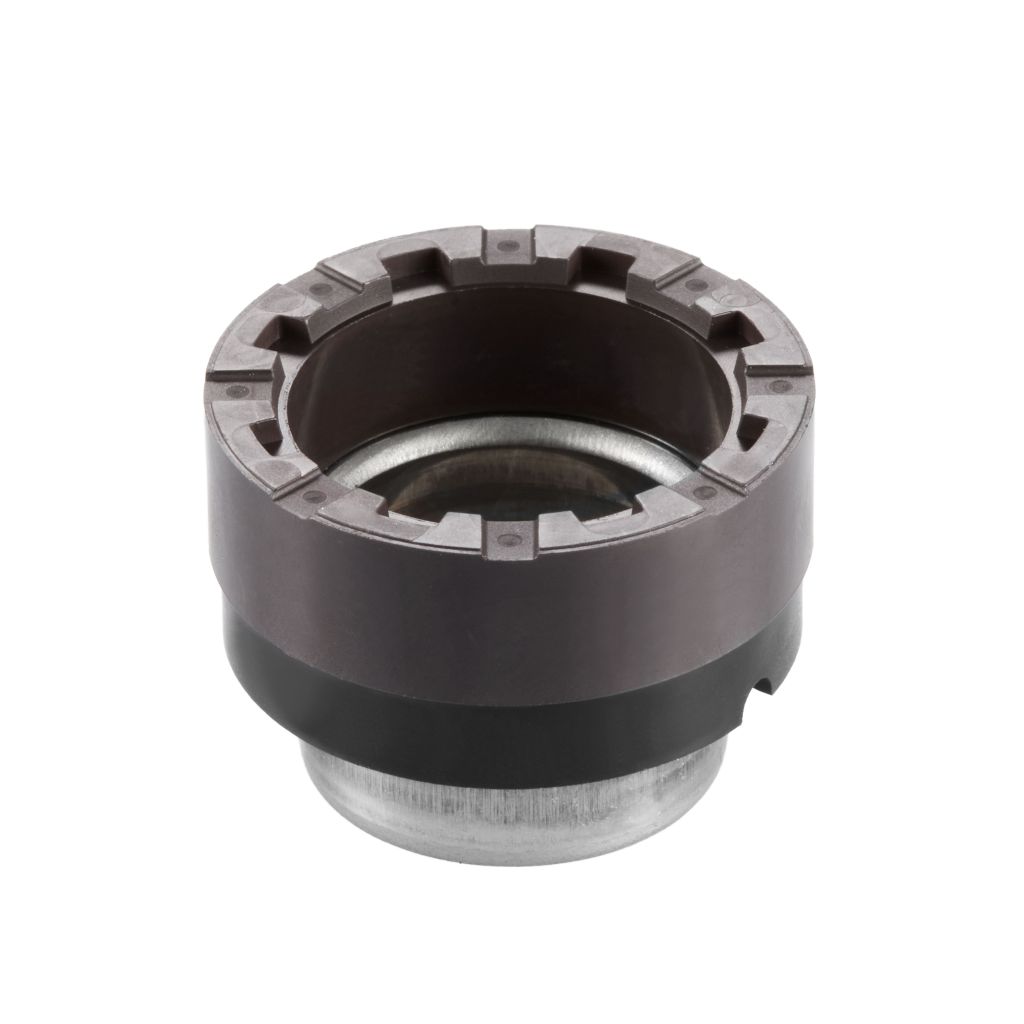
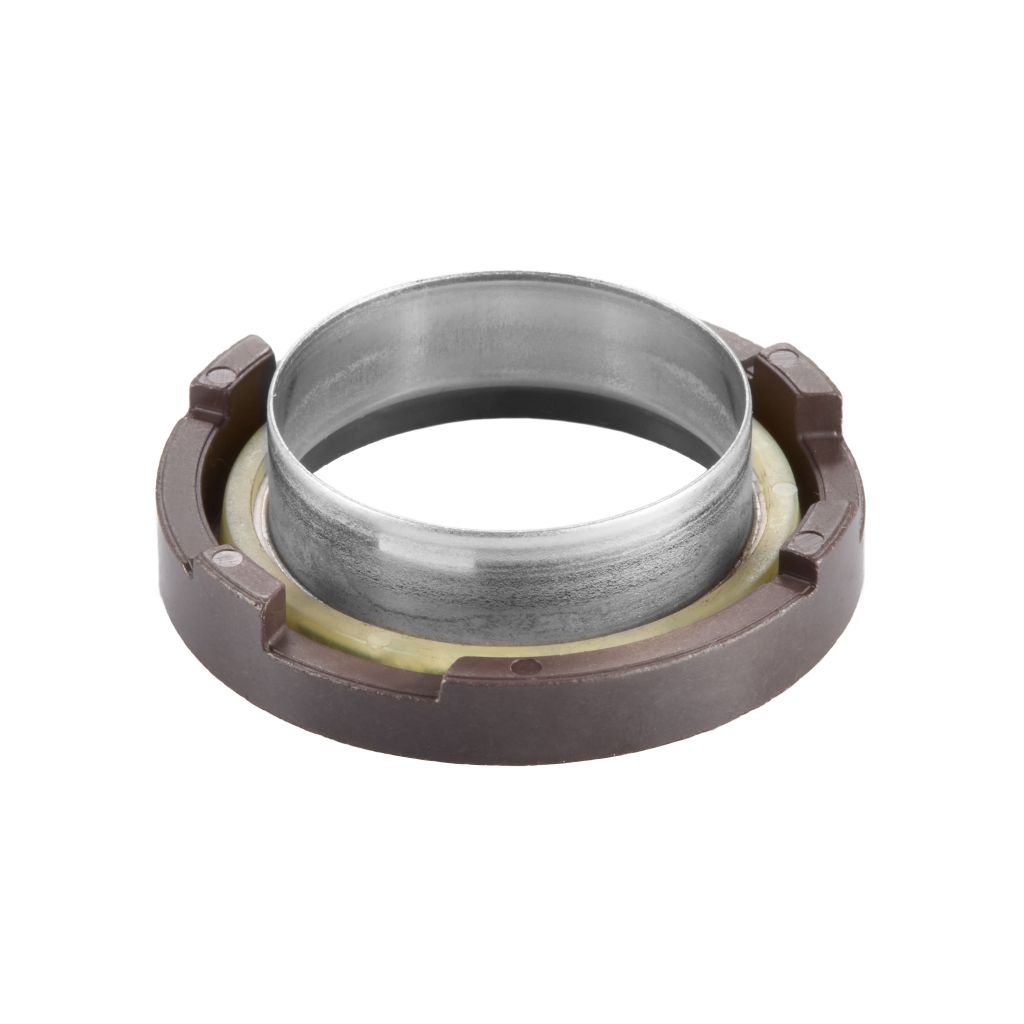
We develop magnetic components made from hard ferrite for rotors in fields such as the automotive industry, mechanical engineering and general industry. Depending on the application, the rotor magnets can be implemented as a sintered or plastic-bonded magnet solution – precisely matched to your technical requirements.
Our rotor magnets stand for smooth running, precise magnetization and homogeneous field distribution. They are specifically designed for the respective application and offer high resistance to thermal, mechanical and media-related loads.
These properties come into their own particularly in automotive coolant pumps, where rotor magnets must reliably withstand temperature cycling, contact with fluids and dynamic loads. Max Baermann develops and manufactures plastic-bonded rotor magnets designed precisely for these demanding operating conditions.
Use as a magnetic component in sensors
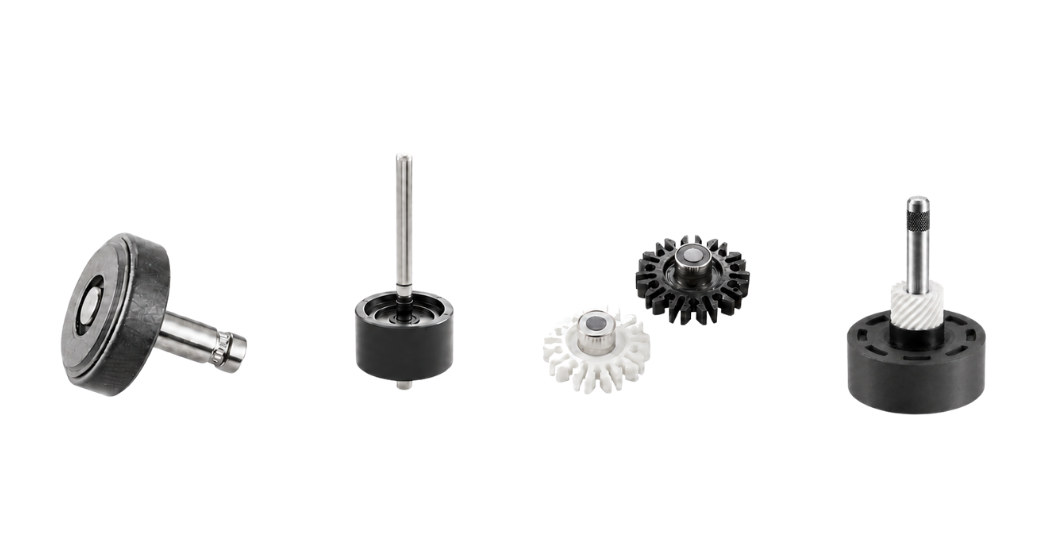
If you want to use ferrite magnets in sensors, we develop a custom magnetic solution in which the magnetic component is precisely matched to your measuring principle and installation situation. The result is a robust and economical magnet solution for sensor applications in sectors such as automotive, industry and consumer goods.
Sensor magnets from Max Baermann stand for precise magnetic field curves, low angular errors and high field homogeneity. Application-specific magnetization patterns – axial, diametral, radial, lateral, multipole or multi-track –the magnetic signal designed specifically to the sensor, the air gap and the installation situation. The result is robust, precise and economical sensor solutions for angle, position and speed detection.
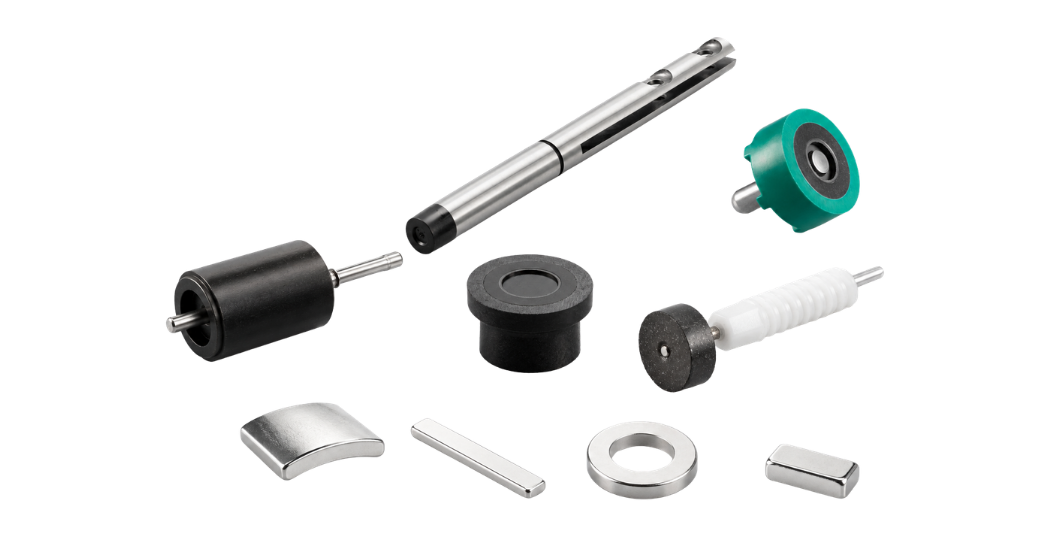
More permanent magnets in our Portfolio


Contact us for a consultation
Are you looking for a ferrite magnet for a specific technical application? Max Baermann supports you with material selection, magnetic design, development, prototyping and series production of your customized magnet solution.